

Understanding Precious Metals as Financial Assets: Key Considerations for Today’s Sellers

Metals respond to the same global forces that affect other financial instruments...”
METAIRIE, LA, UNITED STATES, February 10, 2026 /EINPresswire.com/ -- Precious metals such as gold, silver, platinum, and palladium have long functioned as stores of value, mediums of exchange, and components of personal wealth strategies. In today’s economic environment, these metals continue to be viewed not only as collectible or industrial materials, but also as financial assets influenced by global markets, monetary policy, and supply-demand dynamics. For individuals considering selling precious metals, understanding how value is determined and what factors influence pricing has become increasingly important.— Ken Bowers
Precious metals differ from traditional financial instruments in that they possess intrinsic material value independent of issuer performance. Gold and silver, in particular, are traded globally and priced based on spot markets that respond to currency strength, inflation indicators, interest rate policy, and geopolitical conditions. These broader forces influence pricing regardless of whether the metal is held as bullion, jewelry, or collectible items.
Gold is often viewed as a hedge against inflation and currency volatility. When confidence in fiat currencies weakens, gold prices frequently reflect increased demand. Silver shares some of these characteristics while also being heavily influenced by industrial usage, including electronics, medical applications, and renewable energy technologies. This dual role causes silver pricing to react to both economic uncertainty and industrial growth trends.
Platinum and palladium operate somewhat differently. Both metals are used extensively in automotive catalytic converters and other industrial processes. Supply constraints, mining output, and changes in manufacturing demand can produce sharper price movements compared to gold and silver. Sellers holding these metals often benefit from understanding how industrial demand cycles affect valuation timing.
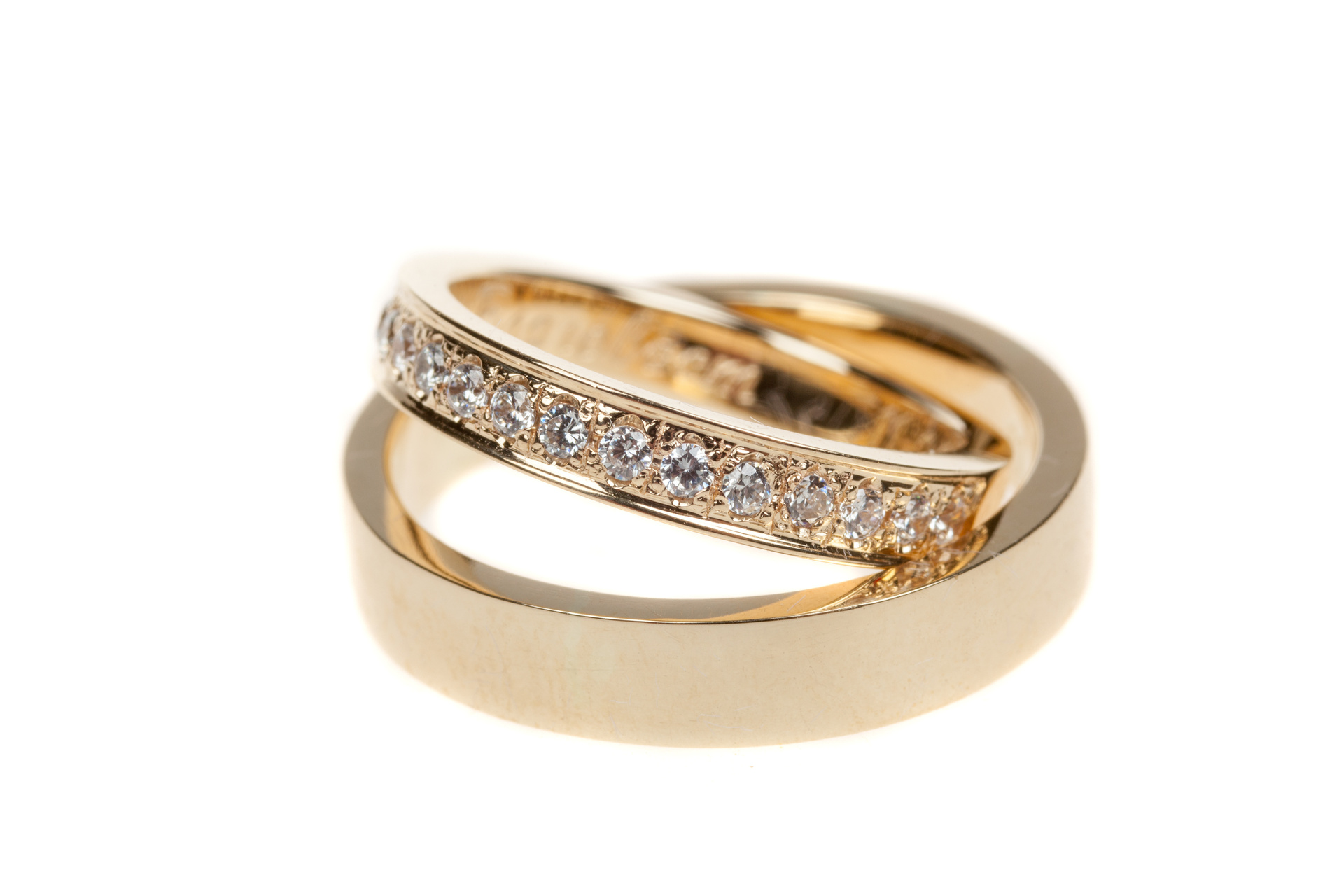
Form and purity play a major role in determining precious metal value. Bullion bars and government-issued coins are typically valued closer to spot price due to standardized weight and purity. Jewelry, estate pieces, and custom items require evaluation beyond simple weight, as craftsmanship, condition, and alloy composition influence final value. Understanding karat ratings and metal content helps clarify expectations before entering a transaction.
Market timing is another factor that sellers frequently consider. Precious metal prices fluctuate daily, sometimes significantly. While predicting short-term movements is difficult, awareness of broader trends can inform decision-making. Economic reports, central bank announcements, and changes in global trade conditions often coincide with increased price volatility. Sellers monitoring these signals may gain additional context when evaluating offers.
Documentation and transparency support accurate valuation. Items accompanied by original packaging, certificates, or verifiable provenance may be easier to assess. In the absence of documentation, professional testing methods such as X-ray fluorescence or acid testing help confirm composition and purity. Clear identification reduces uncertainty and supports fair market alignment.
Regulatory considerations also influence precious metal transactions. Reporting requirements, transaction thresholds, and identification standards vary by jurisdiction. Compliance with applicable regulations protects both buyers and sellers by ensuring proper recordkeeping and transaction integrity. Awareness of these requirements helps prevent delays and misunderstandings during the selling process.
Ken Bowers, owner of KenWorks in Metairie, notes that precious metals are often misunderstood as static assets. “Metals respond to the same global forces that affect other financial instruments,” said Ken Bowers. “Value is influenced by market conditions, material characteristics, and how accurately those characteristics are identified.”
Liquidity varies among precious metal categories. Bullion products typically offer higher liquidity due to standardized pricing and broad market participation. Jewelry and collectible items may require additional evaluation time, as value can be influenced by design, age, or brand recognition. Understanding liquidity differences helps set realistic expectations regarding transaction speed and pricing alignment.
Condition also affects value, particularly for items intended for resale rather than refining. Excessive wear, damage, or alterations can reduce recoverable value even when metal content remains unchanged. Conversely, well-preserved pieces may retain value beyond melt price depending on market demand for finished items.
Economic uncertainty has historically driven renewed interest in precious metals. Inflation concerns, market volatility, and shifting monetary policy often coincide with increased public attention toward tangible assets. This attention can influence short-term demand and pricing behavior, reinforcing the importance of informed evaluation.
Selling precious metals involves more than weighing material and referencing a price chart. Accurate assessment requires understanding composition, market context, regulatory factors, and transaction structure. Sellers who approach the process with clear information are better positioned to interpret valuations and make decisions aligned with current conditions.
Precious metals remain distinctive among financial assets due to their physical nature and long-standing role in global trade. As markets continue to evolve, informed participation supports transparent and efficient transactions. Understanding how precious metals function within today’s financial landscape allows sellers to navigate the process with clarity, realism, and confidence grounded in material and market fundamentals.
Morgan Thomas
Rhino Digital, LLC
+1 504-875-5036
email us here
Visit us on social media:
Facebook
Legal Disclaimer:
EIN Presswire provides this news content "as is" without warranty of any kind. We do not accept any responsibility or liability for the accuracy, content, images, videos, licenses, completeness, legality, or reliability of the information contained in this article. If you have any complaints or copyright issues related to this article, kindly contact the author above.
